›
›
›
Microwave Backhaul Links
Microwave Backhaul Links
Backhaul is where a cell site stops being local. Whether the hop runs at 18 GHz over ten kilometres or at 80 GHz over one, the radio’s RF interface sits outdoors on a pole and has to hold its loss budget in weather that never stops changing.
What a Backhaul Interface Has to Hold
A backhaul hop has almost no link margin to spare. Every one of these costs a fraction of a decibel, and they add up.
Typical Interface Requirements
Backhaul specifications vary widely by band and vendor. These are representative conditions.
| Parameter | Typical Requirement | Relevant Series | Note |
|---|
| Traditional bands | 6–42 GHz | 2.92mm, 2.4mm | Long-haul and mid-haul |
| E-band | 71–86 GHz | 1.85mm, 1.0mm | Short, high-capacity hops |
| Insertion loss | As low as achievable | Low-loss assemblies | Directly reduces link margin |
| Phase stability | ±3 ppm/°C typical | Phase-stable series | Matters for diversity paths |
| Ingress protection | IP67 mated | Outdoor series | Pole and tower mounting |
| Temperature | -40 °C to +85 °C | All outdoor series | Direct solar loading |
What We Supply for Backhaul Links
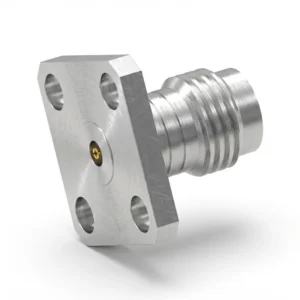
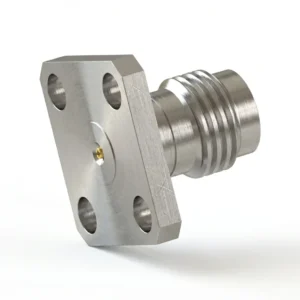
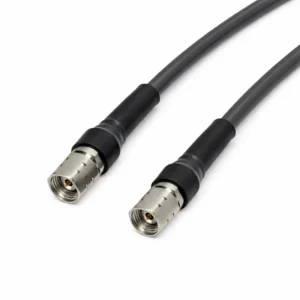
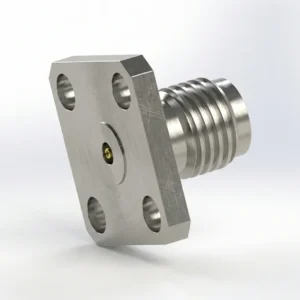
Interfaces for Backhaul Radios
Common starting points across traditional and E-band hops. Tell us the band and the run and we will quote the assembly.
Working Out a Link Budget?
Send us the band, the hop length and the radio, and our engineers will propose the interface and cable configuration.